Why Your Employee Handbook Matters More Than Ever
Your employee handbook is more than a PDF that employees sign once and forget about. It’s a living, breathing legal document that shapes the way your organization communicates expectations, enforces policies, and protects itself from risk. And yet, thousands of businesses in the US are operating on handbooks that haven’t been updated in years, some even dating back to pre-remote work days.
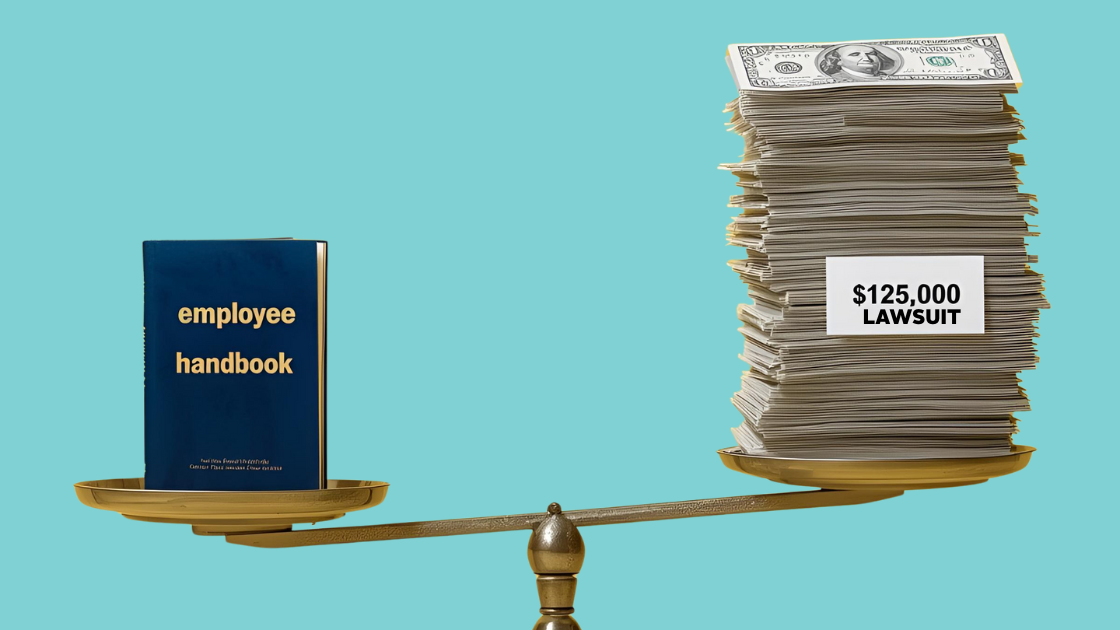
According to recent HR data, 73% of employment lawsuits cite handbook inconsistencies as a primary factor. Even more alarming, the average settlement for handbook-related disputes exceeds $125,000. And here’s the kicker: most companies don’t even realize their handbook exposes them to risk until they’re sitting across from an attorney.
When your employee handbook is outdated, everything feels fine until it isn’t.
As we approach 2026, with rapid changes in employment law, hybrid workplace trends, and new expectations for workplace culture. Your handbook must evolve faster than ever.
This article breaks down the hidden costs of outdated handbooks, how they quietly erode your compliance foundation, and what you can do this month to protect your business from unnecessary liability.
The Silent Dangers of an Outdated Employee Handbook
1. It Creates Legal Vulnerabilities You Can’t See
An outdated handbook is the HR equivalent of running antivirus software from 2018 and hoping for the best.
A policy written even two years ago may no longer align with:
- Updated state leave laws
- Anti-discrimination and harassment protections
- Wage and hour requirements
- Remote and hybrid work standards
- Amendments to FMLA, ADA, and EEOC regulations
- Technology, cybersecurity, and AI use policies
- Discipline and termination procedures
When these policies don’t match current law, employees can claim:
- Unfair practices
- Retaliation
- Misclassification
- Policy inconsistencies
- Unequal application of rules
And here’s the legally messy part:
Courts assume that if your handbook says it, you must follow it.
Even if the law has changed. Even if the policy is outdated. Even if the leadership “just forgot to update it.”

2. It Erodes Employee Trust and Morale
Employees notice more than employers think.
Nothing frustrates a team faster than:
- Outdated expectations
- Policies that contradict current operations
- “We’ve never updated that part,” explains
- Inconsistencies in how rules are enforced
Your handbook should provide clarity.
An outdated handbook creates confusion, and confusion leads to conflict.
3. It Weakens Your Leadership Authority
Your policies represent your leadership in writing.
When a handbook is outdated, it communicates:
- We aren’t paying attention
- Compliance isn’t a priority
- Policies aren’t consistent
- Leadership is reactive, not proactive
In modern HR, leadership is judged by the systems they maintain, not the fires they put out.
4. It Costs You Money Long Before It Costs You a Lawsuit
Even without legal claims, outdated handbooks cost businesses money through:
- HR disputes
- Preventable grievances
- Confusion about PTO, overtime, or break laws
- Unclear job expectations
- Increased turnover caused by inconsistent policy use
- Manager mishandling due to unclear guidelines
Companies with outdated handbooks spend 40% more on HR disputes annually because managers are navigating policies written for a workplace that no longer exists.
10 Red Flags That Your Handbook Is Outdated
If any of the following describe your handbook, it’s time for an update:
- It hasn’t been reviewed in the last 12–18 months
- It still refers to “office-only” work
- It lacks a remote work or hybrid policy
- State-specific leave laws are missing
- Social media and technology use guidelines are vague
- Anti-harassment language is outdated
- It includes outdated disciplinary procedures
- The formatting looks like it came from 2010
- It uses a generic “copy-paste” template language
- The policies do not match your actual practices
If your company outgrew its handbook, that’s a sign of progress, not failure.
But progress requires updating the foundation.
Real-World Examples: What Outdated Handbooks Cost Companies
Here are anonymized examples (drawn from real Atrium clients and national HR data):
Case Study 1: The Remote Work Oversight
A small tech firm maintained a handbook from 2021, before remote work policies were standard. When an employee requested flexible accommodation, the company denied it. Because the handbook lacked updated ADA and remote accommodation language, the employee filed a complaint.
Outcome:
A $65,000 settlement, all because the company’s policies didn’t reflect the current law.
Case Study 2: The Misclassification Disaster
A retail brand disciplined a manager inconsistently because its “progressive discipline” policy had not been updated to match state regulations.
Outcome:
The manager filed a claim citing inconsistencies in the handbook.
The claim cost over $150,000 in legal fees and settlements.
Case Study 3: The Harassment Policy Gap
A company’s handbook failed to include updated EEOC guidelines, and the language was vague.
Outcome:
A claim that should have been dismissed became a $187,000 settlement, all because the policy wasn’t clear or up to date.
Why Updating Your Handbook Is the Smartest Move for 2026
1. Laws change constantly. Your policies must, too
Labor laws changed 247 times last year alone.
Most companies never noticed.
2. HR issues are easier to prevent than to defend
Having up-to-date policies often prevents:
- Grievances
- Claims
- Misunderstandings
- Managerial inconsistencies
- Miscommunication
3. Your handbook is your business’s “Culture Anchor.”
It defines:
- Expectations
- Behavior
- Boundaries
- Processes
- Accountability
- Your leadership values in writing
A handbook that fits your mission strengthens your workplace from the inside out.
How to Fix an Outdated Handbook Before 2026
Here’s the roadmap The Atrium LLC uses with clients:
STEP 1: Conduct a Handbook Audit
Identify:
- Legal gaps
- Policy inconsistencies
- Outdated language
- Missing sections
- State-specific issues
- Culture alignment needs
STEP 2: Update All Legal Policies
This includes:
- State leave laws
- Anti-discrimination updates
- EEOC and ADA guidelines
- Wage and hour laws
- Workplace safety rules
STEP 3: Add Modern Workplace Policies
Such as:
- Remote/hybrid guidelines
- Technology and AI use
- Data and cybersecurity
- Social media boundaries
- Pay transparency
- DEI commitments
- Complaint procedures
STEP 4: Align Policies With Culture
Policies should match:
- Leadership style
- Industry expectations
- Company values
- Team operating norms
STEP 5: Implement and Train
A handbook is only effective when:
- Leaders understand it
- Employees know where to find it
- Managers apply it consistently
This ensures compliance and unity.
Your 2026 Handbook Checklist
Before the new year, your handbook should include:
- Updated at-will employment disclaimer
- Updated state and federal leave policies
- Remote and hybrid work structure
- Updated anti-harassment & retaliation policy
- Clear technology use guidelines
- AI and modern tech usage guidelines
- Data privacy & cybersecurity boundaries
- Pay and overtime compliance
- PTO & absence management updates
- A modern, consistent complaint process
An outdated handbook isn’t a small oversight. It’s a silent liability with financial and cultural consequences. But the good news? Updating it is one of the most impactful ways to protect your business and strengthen your team heading into 2026.
You don’t need to handle this alone.
The Atrium LLC has helped businesses across industries transform their outdated handbooks into legally aligned, culture-focused, and future-ready HR tools.
Protect your organization. Protect your people. Protect your peace of mind.